Ocean Animals Coloring Pages helps teachers and homeschool parents create printable sea-life coloring worksheets with whales, dolphins, sea turtles, crabs, and other original ocean animals for K-2 science introductions, summer themes, vocabulary centers, early finisher folders, and homeschool ocean units.
Resource-style ocean animal coloring page hub with generator prompts.
Built for adult-created K-2 classroom and homeschool use.
Use ordinary sea-life subjects, not named or branded characters.
Review each page for line clarity, label spelling, age fit, and print quality.
Use these ocean prompt cards to create printable sea-life worksheets for K-2 lessons, centers, and homeschool ocean units.
Kindergarten Simple Ocean Page
Use one or two large sea animals for younger learners.
Kindergarten ocean animals coloring page with one whale, one sea turtle, gentle waves, thick black outlines, large open spaces, simple printable black-and-white line art, no logos, no named characters.
First Grade Sea Life Labels
Use labels when the page should support ocean vocabulary.
First grade sea life coloring worksheet with dolphin, crab, starfish, and seahorse, simple labels under each animal, thick black outlines, clear spacing, printable black-and-white line art.
Grade 2 Ocean Habitat
Use habitat pages for science review.
Second grade ocean habitat coloring worksheet with sea turtle, coral shapes, fish, seaweed, and a short habitat label strip, clean line art, balanced open spaces, no tiny texture details.
Summer Ocean Activity
Use a beach or summer prompt for seasonal quiet work.
Kindergarten summer ocean coloring page with crab, seashell, starfish, and gentle waves, large simple shapes, thick outlines, printable black-and-white line art.
Homeschool Ocean Unit
Use several familiar animals for an ocean unit binder page.
Homeschool ocean unit coloring worksheet with whale, octopus, jellyfish, and sea turtle, four short vocabulary labels, clear white space, printable line art for crayons.
Ocean Movement Words
Connect animals to action words for a literacy tie-in.
First grade ocean movement coloring worksheet with dolphin jumping, crab walking, fish swimming, and turtle gliding, short labels Jump, Walk, Swim, Glide, thick outlines, clear spacing, printable black-and-white line art.
Printable ocean animals coloring pages for K-2 lessons
Ocean animal coloring pages can introduce sea-life names, support science vocabulary, and give students a calm printable activity connected to an ocean unit. Use these pages for a lesson opener, summer theme, beach week, habitat introduction, or homeschool ocean binder. For younger learners, keep the page simple: one main animal, a few supporting details, and clear printable outlines.
For science introductions
Start with familiar animals such as whale, dolphin, crab, sea turtle, starfish, and seahorse. Add short labels only when they support the lesson.
For summer and beach themes
Use shells, waves, sand, seaweed, and starfish as simple background details. Avoid dense coral textures that may print poorly.
For homeschool ocean weeks
Add one reviewed ocean coloring worksheet to a weekly binder or unit notebook as a vocabulary, fine-motor, or discussion activity.
• Use ocean animal pages for science introductions and unit vocabulary.
• Pair coloring with read-alouds, videos, picture books, or habitat discussions.
• Choose one to four animals per page depending on age and coloring time.
• Review every generated page before printing copies for children.
Ocean animals included in this page
This page focuses on ordinary sea-life subjects that are easy for children to recognize and easy for adults to review. The best ocean coloring prompts name the animals directly, keep the scene uncluttered, and ask for printable line art with thick outlines.
Whales, dolphins, and sea turtles
These larger sea animals work well as single-subject pages for kindergarten or simple labeled pages for first grade.
Crabs, octopus, jellyfish, and starfish
These animals support shape, movement, and ocean vocabulary discussions. Keep tentacles, legs, and textures clear rather than tiny.
Sharks, stingrays, seahorses, and seals
These subjects can be useful for older K-2 learners when the prompt stays factual, friendly, and not too detailed.
• Whale
• Dolphin
• Sea turtle
• Crab
• Octopus
• Jellyfish
• Starfish
• Seahorse
• Shark
• Stingray
• Seal
• Ordinary fish
Ocean animal coloring page prompt ideas
Ocean prompt cards help adults avoid vague requests like an entire underwater world. A better prompt names the grade level, the exact animals, whether labels are needed, and the print style. Ask for thick outlines, large open spaces, and no tiny texture details.
• Use one main animal for kindergarten pages.
• Use three or four labeled animals for vocabulary worksheets.
• Use habitat prompts for second grade review.
• Keep coral, bubbles, and seaweed simple so the page prints clearly.
Ways to use ocean animal coloring worksheets
Ocean animal worksheets can fit several classroom and homeschool routines. A teacher might use one page to introduce a sea-life word wall, another page as an early finisher option, and another as a simple habitat review. Homeschool parents can place reviewed pages in an ocean unit binder and talk through animal names and features.
Vocabulary center
Label pages can support terms such as whale, turtle, crab, shell, fin, wave, and seaweed.
Habitat introduction
Use a simple habitat label strip and a few clear objects rather than a dense underwater poster.
Early finisher folder
Choose pages with low reading demand and clear outlines so children can work independently after adult approval.
Homeschool unit binder
Pair one coloring worksheet with an ocean book, observation activity, or short discussion prompt.
• Vocabulary center: students color and read sea-life labels.
• Habitat introduction: connect animals to ocean, shore, reef, or kelp forest ideas.
• Early finisher folder: keep simple reviewed pages ready for quiet work.
• Homeschool unit binder: add pages to a week-long ocean study.
• Summer theme: use sea shells, waves, and beach details as light context.
Print and review checklist for ocean coloring pages
Before printing a class set, review the generated ocean page on screen and, if possible, print one test copy. Ocean scenes can become too busy if the prompt asks for many animals, coral shapes, bubbles, shells, and labels at once. Keep the worksheet readable and age-appropriate.
• Is each ocean animal recognizable?
• Are outlines thick enough for crayons or pencils?
• Is there enough white space for coloring?
• Are labels spelled correctly and easy to read?
• Is the background free of tiny coral, bubble, or texture details?
• Does the prompt avoid logos, named characters, and franchise wording?
• Has an adult reviewed the page before children use it?
Unique classroom value on this ocean resource
This page is resource-first for sea-life intent rather than a generic generator landing page. It groups recognizable ocean animals, habitat use cases, label prompts, summer activities, and print-review checks so Google and teachers can distinguish it from the broader animal hub.
• Sea-life subject list and vocabulary coverage
• Ocean habitat and summer theme classroom uses
• Prompt cards for whale, turtle, crab, starfish, and labeled pages
• Review guidance for coral, bubbles, labels, and line density
Create custom ocean animals coloring pages with AI
Use the generator when you need a specific ocean worksheet instead of a generic printable. Choose a grade level, pick one to four ocean animals, decide whether labels are needed, and include a print-friendly style. Pack generation, output formats, download options, and history depend on the current product workflow and plan limits.
• Start with Kindergarten, Grade 1, or Grade 2 in the prompt.
• Choose the animals: whale, dolphin, sea turtle, crab, starfish, or another ordinary sea-life subject.
• Add simple labels only when the worksheet should support vocabulary.
• Ask for black-and-white line art, thick outlines, and large open spaces.
• Review before printing and before sharing with a class or homeschool group.
Real generated worksheet examples
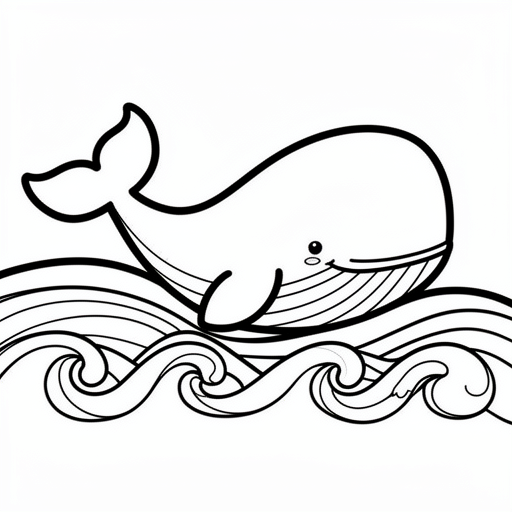
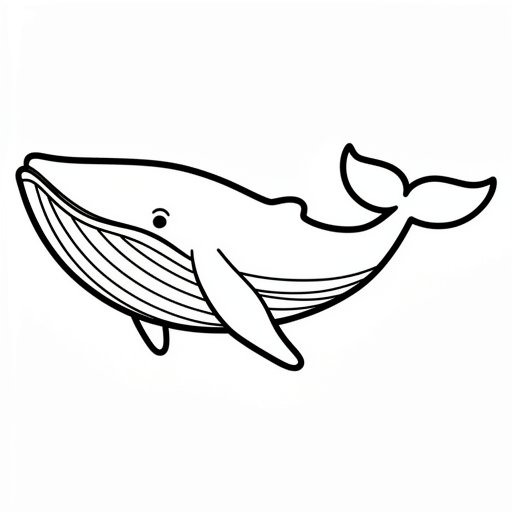
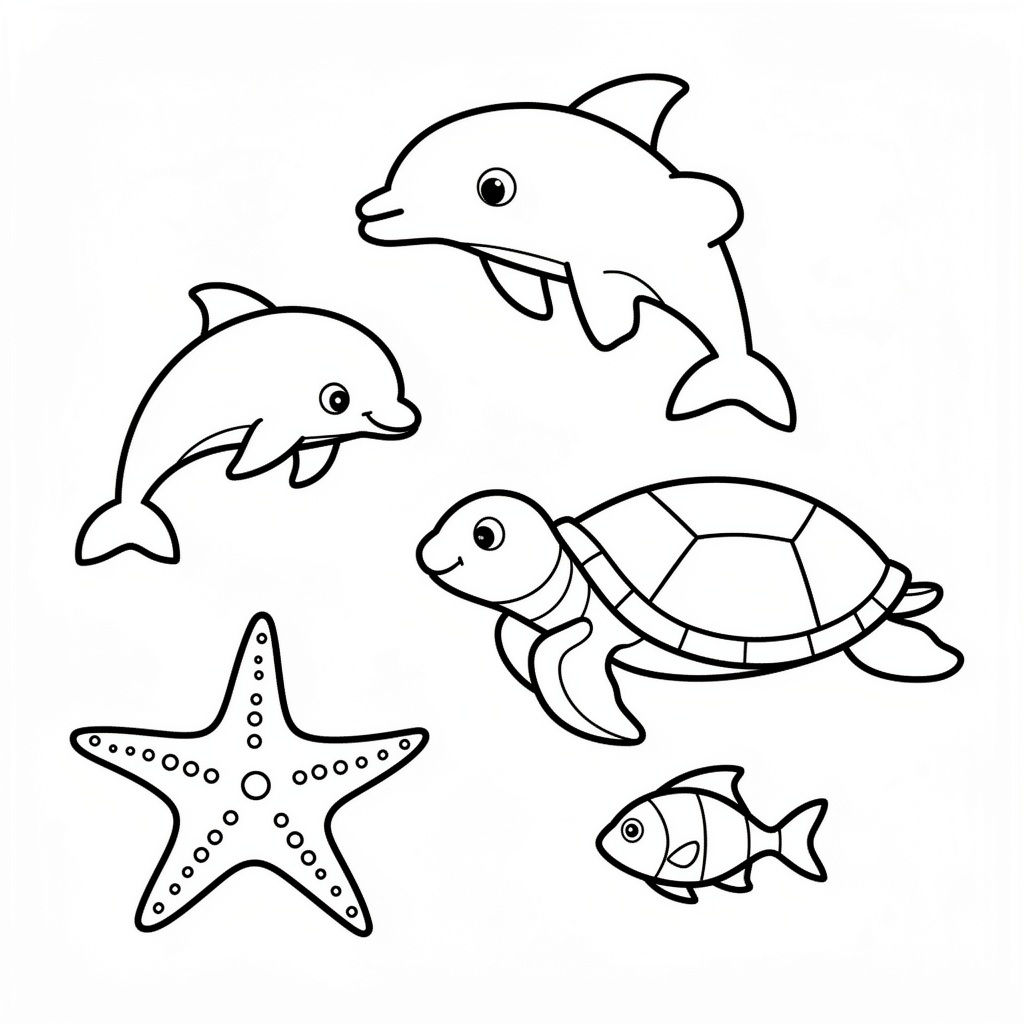
These examples were generated from original classroom prompts and adult-reviewed before being added here.
whale • waveswhale • open line artdolphin • turtle • fish
They are printable coloring worksheets that feature ordinary sea-life subjects such as whales, dolphins, sea turtles, crabs, starfish, and seahorses. This page helps adults generate and review original ocean animal pages for classroom or homeschool use.
Which ocean animals should I include?
Start with familiar animals such as whale, dolphin, sea turtle, crab, octopus, jellyfish, starfish, seahorse, shark, stingray, seal, and ordinary fish. Use fewer animals for younger learners.
Are these ocean coloring pages free?
Guest users can try a limited generation workflow where available. Plan limits, credits, daily limits, safety checks, and download options still apply.
Can I make ocean animal pages with labels?
Yes. Use label plus coloring or tracing styles when available, then review spelling, spacing, and readability before printing.
Are ocean animals coloring pages good for kindergarten?
They can be useful for kindergarten when the page uses one to three large animals, thick outlines, and minimal background detail. Adults should review every page for age fit.
Can I request cartoon ocean characters?
No. Use original sea-life subjects such as whales, turtles, crabs, starfish, and dolphins rather than named entertainment characters, logos, or franchise prompts.
How do I make ocean pages print better?
Ask for black-and-white line art, thick outlines, large open spaces, and no tiny coral or bubble textures. Test print one page before printing a class set.
Create your first classroom worksheet
Start with a classroom topic, choose a grade, then review the page before using it.